Transform Your Space: Key Information On Residential Improvement Projects for Each House Owner
Many householders want to find ways to improve their residences through home improvement projects. These renovations extend from kitchen upgrades to entire residential overhauls. Being aware of the possibilities is essential for making sound choices. Additionally, there are real-world factors like budgeting and choosing the right builder. As householders start this endeavor, they may run into surprising obstacles. The key to a successful transformation requires meticulous preparation and execution. What are the next necessary steps?
Grasping the Diverse Forms of House Improvement Projects

As householders look to improve their residences, they often encounter many different types of services tailored to different needs and preferences. These options can be widely classified into several types, each addressing specific aspects of home improvement. Kitchen renovations center on upgrading equipment, cabinetry, and floor plans to improve usability and aesthetics. Renovating the bathroom usually includes improving the fittings, tiles, and shelving options for greater ease and style.
Whole-home remodeling encompasses major alterations across the property, frequently involving changing the structure to make the most of the space and movement. Outdoor renovation projects, in contrast, focus on boosting the property's street view, addressing siding, the roof, and the yard. Moreover, niche projects including converting the cellar and upgrading the attic help residents make the most of unused areas. Every renovation category offers unique benefits, letting residents pick services that match their goals for their residence. Knowing these variations is crucial to deciding intelligently while undertaking the upgrade.
Establishing a Practical Spending Plan for Your Remodeling Project
What steps ensure their remodeling projects remain financially viable? Developing an achievable budget is essential. Homeowners should begin by assessing their monetary resources, like savings and available loan choices. This initial step allows one to figure out the amount that can be set aside for the renovation without jeopardizing other monetary duties.
Afterward, those undertaking the remodel should look into the financial requirements of their intended changes, including materials, labor, and surprise expenses that tend to crop up. Developing a comprehensive priority list helps with distinguishing essentials from desirable features, making it possible to adjust if funds become limited.
It's wise to include a contingency fund, generally 10-20% of the entire budget, to handle unforeseen expenses. Regularly reviewing and adjusting the budget during the renovation project can also help maintain financial control. In the end, a carefully structured budget not only guarantees project viability but also improves the entire renovation process for those living in the home.
Selecting the Appropriate Contractor to Suit Your Project.
Choosing the appropriate professional has a major influence on the outcome of an updating effort. Property owners ought to start by doing comprehensive research, seeking recommendations from friends, family, or online reviews. It is essential to confirm documentation, like licenses, insurance, and bonds, to confirm legitimacy.
After suitable professionals have been found, they should seek detailed cost breakdowns and timeframes, allowing for informed comparisons. Meeting with them offers a look at their manner of communicating and their professional conduct, which are crucial for working together effectively.
Furthermore, examining previous work via portfolios or referrals can reveal a contractor's quality of workmanship. Homeowners should also inquire about warranties or guarantees, indicating the builder's certainty about their services.
In the end, choosing a professional who matches the homeowner's goals, finances, and schedule creates a better renovation journey, making certain the outcome satisfies needs and changes the space as intended.
Planning and Designing Your Perfect Area.
As homeowners envision their ideal spaces, careful planning and thoughtful design form vital parts of a triumphant renovation effort. The initial phase includes assessing present requirements and long-term goals, to gain a complete comprehension of the area's utility. When planning, homeowners should evaluate practicality, aesthetics, and their individual taste, ensuring that the design reflects their unique preferences.
Following this, establishing a thorough budget is crucial. documentation This budget should accommodate materials, workforce costs, and potential unforeseen expenses. Consulting with design experts can give meaningful advice, aiding in maximizing the area and respecting budgetary constraints.
Including features such as natural light, spacious designs, and sustainable materials can elevate the living environment. In conclusion, seeing the project via drawings or computer models can aid in refining ideas before implementation. By approaching the planning and design phase with intention, homeowners can create an inviting, efficient space tailored to their lifestyle.
Navigating Permits and Regulations in House Renovation
Familiarizing oneself with the red tape and requirements can be daunting for homeowners beginning a home improvement project. Each municipality has specific rules that dictate what is permissible during renovations, often influenced by zoning laws, construction standards, and security requirements. Homeowners must familiarize themselves with local regulations to prevent expensive penalties or setbacks in the timeline.
Generally, securing permits is essential for substantial modifications, such as modifying load-bearing elements or electrical work. This process often involves submitting plans for review and might demand site visits at various stages.
Engaging a knowledgeable contractor can make this procedure easier, as they are typically experts in municipal rules and can assist with paperwork. It is important for homeowners to communicate regularly with local building departments to guarantee compliance throughout the project. By grasping and navigating these regulations, homeowners can fulfill their improvement aims while guaranteeing that the work is safe and legal in their renovations.
FAQs
What is the Duration of a Standard Home Renovation?
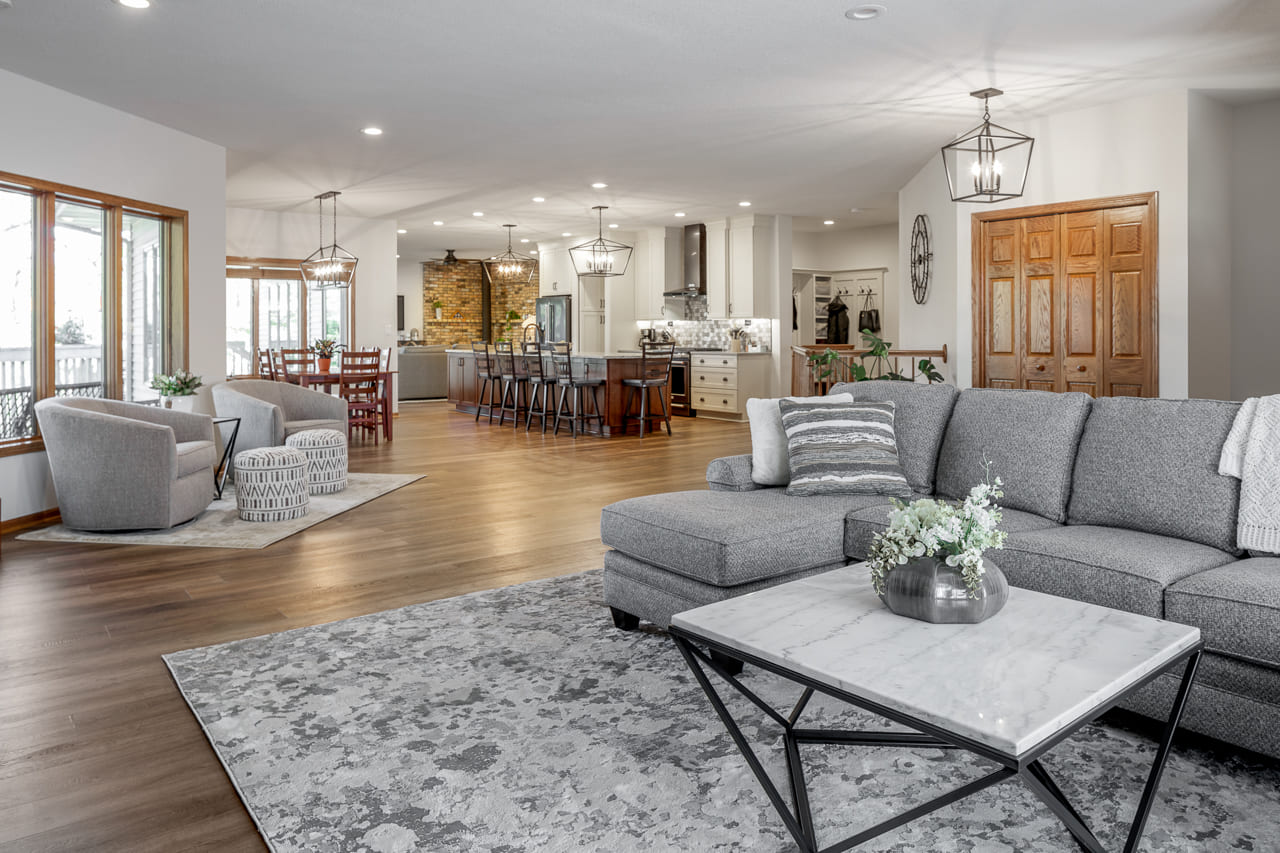
A typical home remodeling project usually takes three to six months on average, depending on the scope of work, scale of the house, and supply chain status. Intricate jobs could demand more time for completion.
What are the typical errors you should steer clear of throughout the renovation process?
Frequent errors during remodeling often involve underestimating budgets, neglecting permits, missing scheduled deadlines, not maintaining clear communication with your builders, and ignoring long-term functionality. Understanding these dangers often results in a less stressful, more positive renovation outcome.
What's the best way to select the appropriate materials for my renovation?
Selecting appropriate supplies means considering durability, aesthetics, and cost constraints. Investigating available choices, getting expert advice, and factoring in how much care they require can greatly aid in making informed decisions, to guarantee the project fits your functional and aesthetic goals.
Is it possible to stay in my house while the remodeling is happening?
Yes, one can live on the premises during renovations, but you should expect some hassle. Careful planning, maintaining open dialogue with your builders, and setting aside certain zones for essential activities will reduce the inconvenience during the process.
What warranties should I expect by my builders?
Homeowners should expect warranties that guarantee the quality of the work, materials, and the integrity of the structure, often covering a period of one to ten years. It is crucial to review specific terms and conditions alongside your builders to know the full extent of the guarantee and its restrictions.
Comments on “Proven Energy Efficiency for Modern Homes”